5G
5G
5G technology, the fifth generation of cellular network technology, represents a significant advancement compared to its predecessor, 4G. It offers faster speeds, and improved efficiency, and has the potential to revolutionize multiple sectors, including IoT (Internet of Things) and autonomous driving.
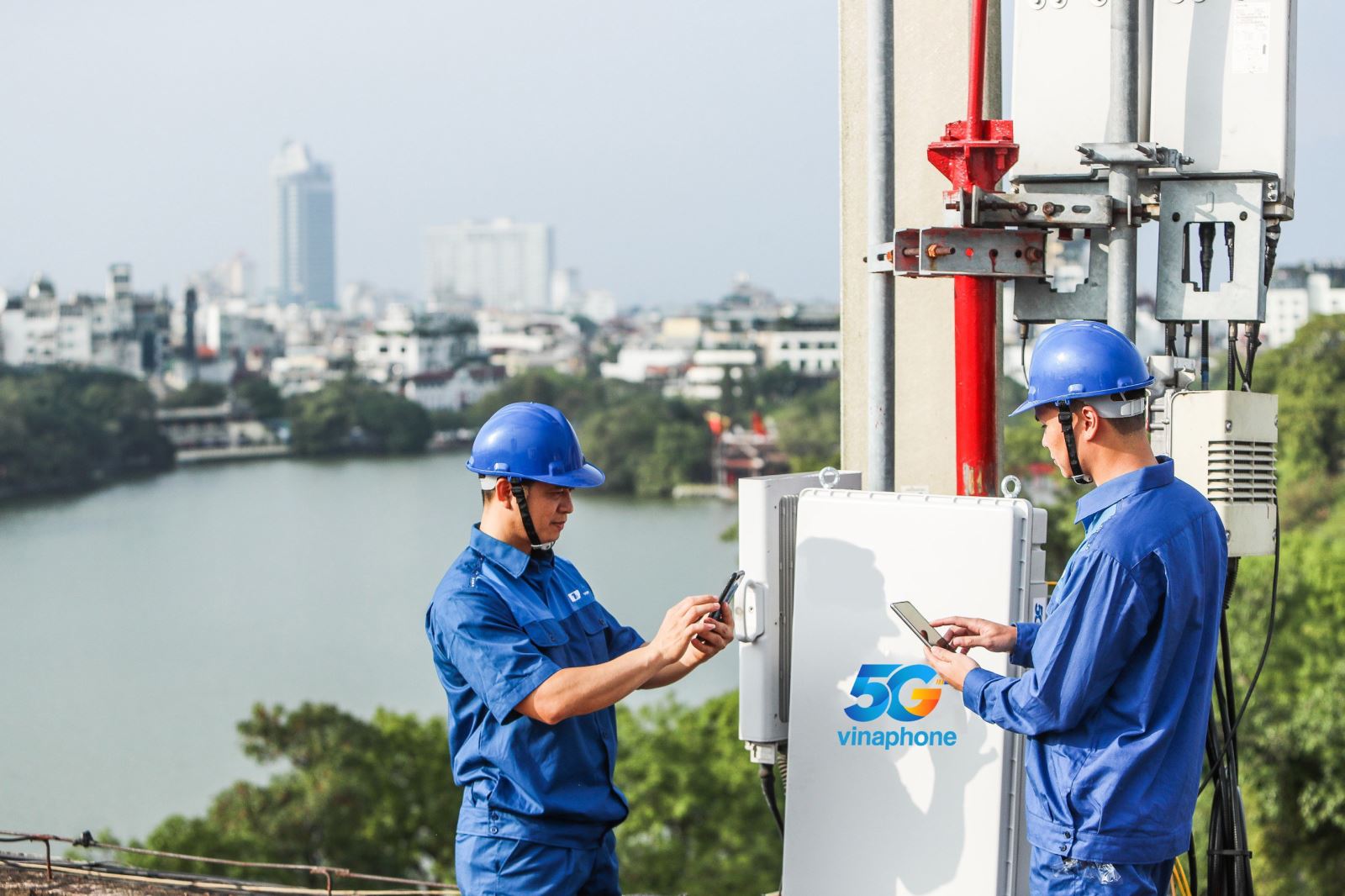
1. Speed and Bandwidth Improvements:
5G boasts remarkable speed, ranging from 100 to 1,000 times faster than 4G. This allows for rapid downloads of movies and software updates, particularly benefiting devices like cars. Real-time applications such as high-quality video streaming, augmented reality experiences, and real-time navigation systems in vehicles greatly benefit from the increased speed.
2. Impact on Media and Entertainment:
The exceptional speed and low latency of 5G are transforming the media and entertainment landscape. Traditional broadcast models are being challenged as 5G enables seamless streaming of high-definition video content. This shift is favoring digital platforms that can distribute content over 5G networks, potentially surpassing conventional television and radio broadcasts. Consequently, the consumption of on-demand and streaming services on mobile devices is on the rise.
3. Enhancements in IoT and Smart Devices:
5G's ability to connect more devices simultaneously and reliably is a significant advantage for IoT. Integration and management of home appliances, industrial equipment, and city infrastructure become more effective through 5G networks. This integration facilitates smarter homes and cities, where interconnected devices provide more data and control to enhance operational efficiency.
4. Changes in Consumer Behavior and Industry Dynamics:
The introduction of 5G is reshaping consumer expectations and business models. Users now expect faster and more reliable access to a wider range of services from their mobile and IoT devices. Industries are adapting by developing new applications that can leverage the enhanced capabilities of 5G. This includes areas such as mobile gaming and telemedicine, where latency-sensitive applications can greatly benefit from 5G technology.
5. Global Rollout and Economic Impact:
The deployment of 5G technology is not uniform worldwide. Advanced economies like the U.S., South Korea, and parts of Europe have taken the lead in adopting and implementing 5G, which drives their technological and economic progress. In contrast, less affluent nations face challenges due to limited existing infrastructure and the high costs associated with building 5G networks. However, the potential economic benefits, such as increased broadband penetration leading to improved economic indicators, encourage ongoing investment.

Comments
Post a Comment